- Jun 30
Résumé vs. CV: What is the difference?
- Joana Donovan
- Resume Writing
- 0 comments
In career documentation, candidates arm themselves with the tools necessary to land interviews and dream jobs. So which do you choose: a résumé or a Curriculum Vitae (CV)? Professionals should understand the differences between these documents, so let’s break the information down so you can make an informed decision.
What is a CV?
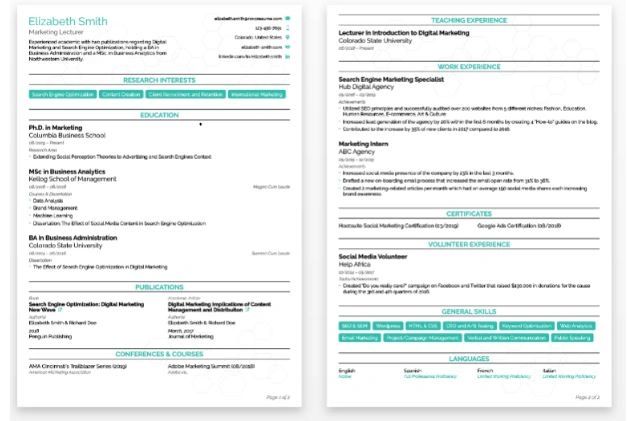
A Curriculum Vitae (CV) is a document that can be 2-8 pages long. It provides hiring managers an overview of your skills, experience, and how you are the best person for the job. The structure is chronological and offers a complete overview of a candidate’s professional career.
A CV is static and not altered to showcase different job roles. A cover letter accompanies the CV and further explains why your qualifications and experience are perfect for the position. Typically, the characteristic of a CV are:
• Multiple pages
• Detailed work experience and education
• Not tailored per job applied
• Chronological
The job seekers most frequently use CVs are dissertation-defending PhDs, teachers, fellows, etc. Below is a sample CV.
What is a Résumé?
A résumé is a document that powerfully communicates your qualifications and sets you up for career success. It is 1-2 pages long and has a varied style depending on the candidate’s goals and professional career.
The essential elements of the document list contact details, introduction, work experience, education, and relevant skills. The résumé should include applicant information that is not older than 15 years. It is frequently tailored to specific positions to highlight the keywords in a job posting.
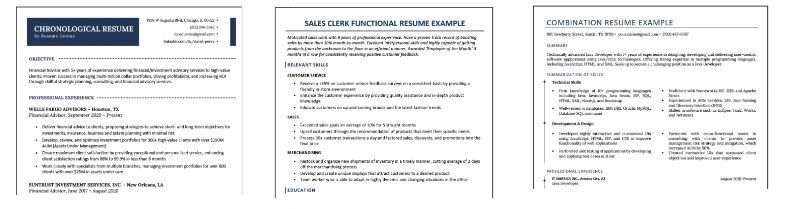
The different types of résumés are:
• Chronological: provides work history in verse order (newest to oldest).
• Functional: focuses on abilities rather than career progression.
• Targeted: written for a specific job opportunity.
• Combination: combines the elements of a functional and chronological résumé,
A visual example of these is shown below:
Standard Resume
Which one is right for you?
Job seekers need one of these documents to participate in the hiring process. It is up to you to know which to select based on your career path and job search. Pay attention to the job opportunity’s requirements, which contain clear language of what accompanies an application. In Europe, a CV is more popular. If you apply for a position overseas, be prepared to submit the customary professional documentation for that region.
Whichever you choose, remember to invest in yourself. You will use these documents repeatedly over your career. Hiring a professional to write your résumé ensures that the quality of your experience and achievement will shine, opening doors to multiple opportunities.
For help developing your career documents, send us a message at propelresume@gmail.com or visit our store for more information on how we can Get You Noticed and Hired.